
Single Skin Roofing Panel Systems for Commercial and Outdoor Construction Applications
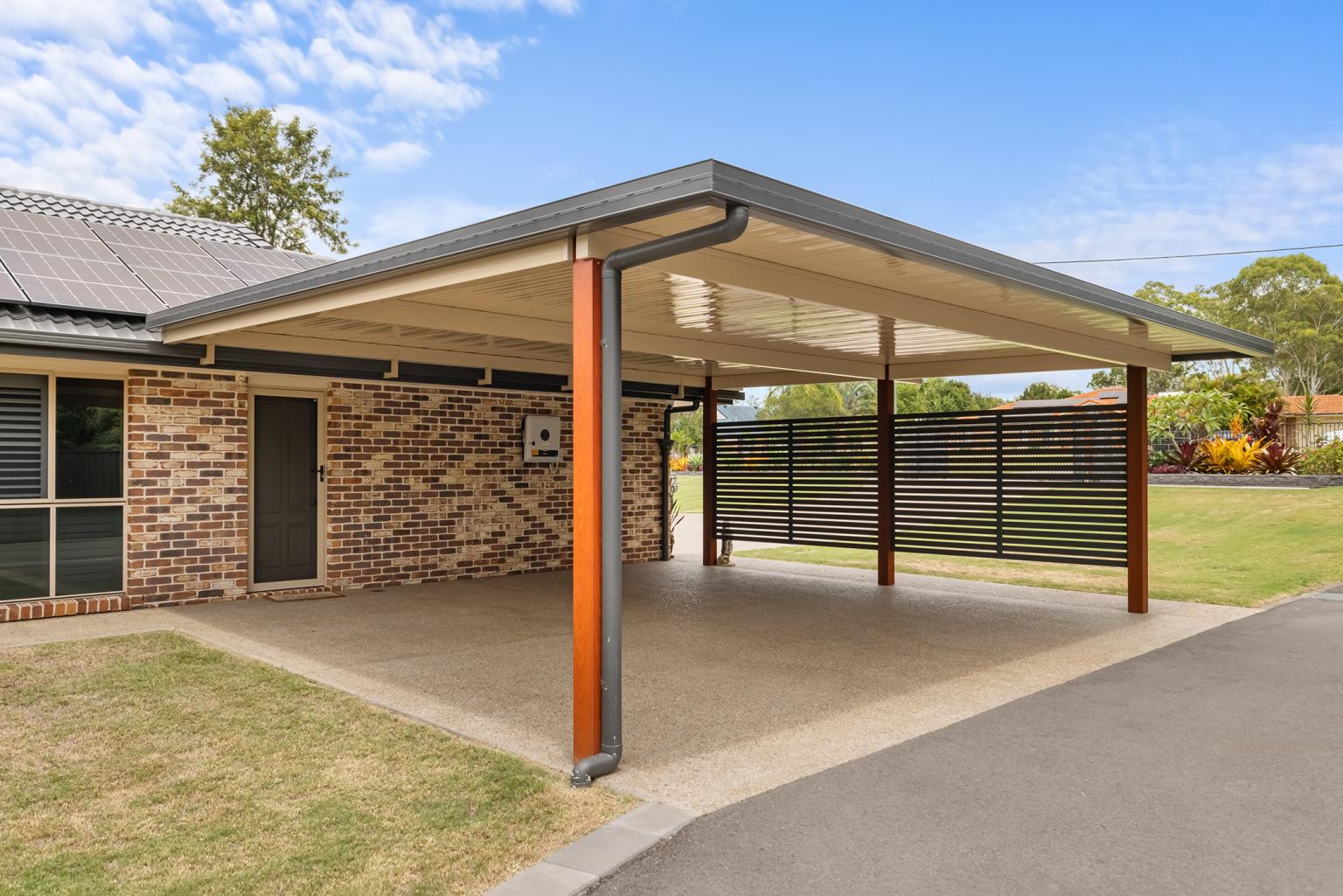
Roofing selection can vary considerably between commercial, industrial and outdoor construction projects. Structural spans, environmental exposure, installation requirements and intended building use all influence the type of roofing system specified during project planning.
Within these applications, single skin roofing panels remain a common form of metal sheet roofing. Their use spans a range of structures where durability, weather protection and practical installation requirements form part of the overall specification process.
Builders, contractors and project specifiers assess roofing products against a combination of structural, environmental and project-specific criteria before selecting a suitable solution. Product selection is typically influenced by structural performance requirements, site exposure conditions and intended application.
Key Characteristics of Single Skin Roofing Panel Systems
A single skin roofing panel consists of a single layer of profiled steel designed to provide weather protection and structural performance across a roofing structure. Unlike insulated composite roofing systems, single skin products utilise a single steel profile without an integrated insulated core.
As a result, single skin systems are commonly specified where thermal insulation requirements are limited or where additional insulation solutions are incorporated separately within the building design.
Roofing performance is influenced in part by the geometry and configuration of the panel profile. Profile geometry influences load distribution, spanning capability, drainage performance and installation requirements. Profile selection is generally influenced by structural requirements, site conditions and intended application .
Commercial developments, industrial facilities, covered walkways and outdoor structures can all incorporate single skin roofing systems. The profile selected for a project will generally depend on the intended use of the structure and the conditions it is expected to accommodate.
Structural Performance Requirements for Metal Sheet Roofing
Structural requirements are assessed early in the specification process for metal sheet roofing systems.
Wind loading, rainfall, maintenance access and environmental exposure are among the factors considered when assessing the structural demands placed on a roofing system. Roofing selection should therefore be supported by engineering assessment and compliance with applicable Australian Standards.
The steel substrate used within a roofing system directly affects strength and spanning capability. Projects involving larger roof spans often utilise higher tensile steel grades as part of the structural design approach.
Apollo Roofing Solutions manufactures its single skin roofing profiles using G550 high tensile steel. The Unilink 2000 and Outdoor Flat Mk II profiles are capable of spanning up to 4.7 metres without requiring intermediate rafters or battens, supporting use across a range of outdoor and commercial roofing applications.
The structural layout of a roof will vary according to project specific engineering requirements. In some applications, long span roofing systems may allow for fewer supporting members within the overall roof structure.
Material Selection and Steel Performance
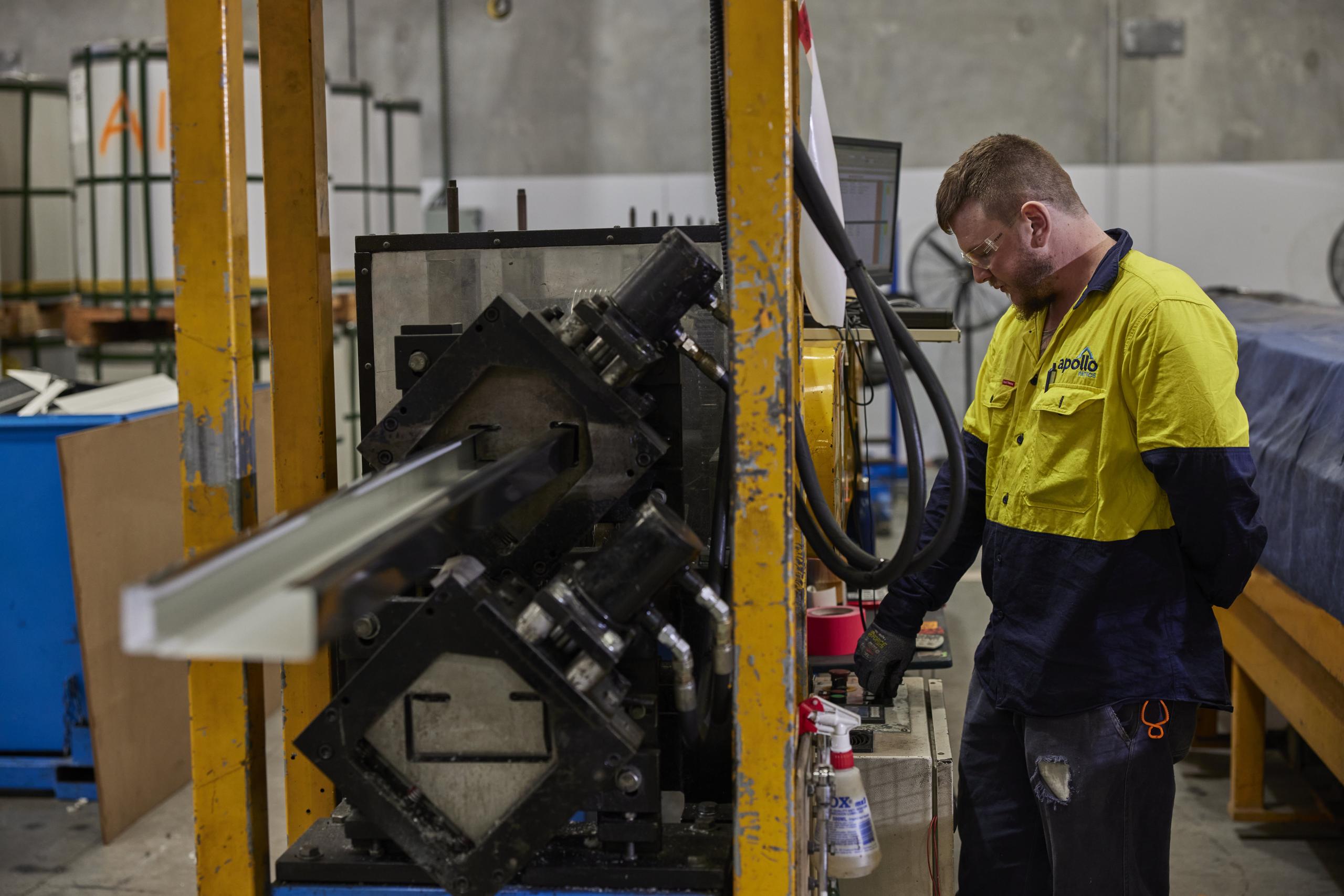
The materials specified for a roofing system can influence its service life, maintenance requirements and overall performance over time.
Steel remains a widely used roofing material across commercial and industrial construction. Factors such as substrate quality, protective coatings and paint finishes can influence how a roofing system performs over its service life.
Australian roofing systems are often exposed to a combination of sunlight, rainfall, humidity and changing temperatures over extended periods.
A range of steel grades, coating systems and paint finishes are available within the roofing market. The most appropriate option will depend on site conditions, expected service life and ongoing maintenance considerations.
Many roofing systems designed for larger spans utilise high tensile steel as part of the overall structural approach. Panels manufactured to project-specific lengths can also be supplied in accordance with planning and procurement requirements.
Environmental Exposure and Site Conditions
Site conditions often influence which roofing materials are suitable for a particular project.
Environmental exposure conditions differ between inland regions, urban areas, industrial sites and coastal locations. Roofing systems operating within corrosive environments are subjected to increased exposure from salt spray, airborne contaminants, moisture retention and elevated humidity levels.
Coastal environments in particular present additional durability considerations due to accelerated corrosion risks associated with airborne salt deposits. Material selection for these projects should account for both external roof surfaces and concealed areas where natural rainfall washing may be limited.
Apollo Roofing Solutions offers UniCote® Coastal options within its single skin roofing range for projects located in marine and corrosive environments. Site-specific warranties are also available where applicable.
Wind classifications, roof pitch, drainage requirements and local weather exposure are commonly reviewed as part of the roofing selection process. Each can affect how a roofing system performs under site-specific conditions.
Where projects are located in regions exposed to severe weather conditions, engineering documentation and product testing information can assist with specification and structural assessment.
Roofing Profile Selection and Project Suitability
The choice of roof profile can influence both structural requirements and installation considerations.
Roofing profiles differ considerably in both appearance and structural behaviour, making profile selection an important part of roof system design. Profile geometry influences water shedding capability, visual appearance and overall roof system behaviour under load.
Apollo Roofing Solutions manufactures two primary single skin roofing profiles including the Unilink 2000 and Outdoor Flat Mk II systems. Both products are manufactured using G550 high tensile steel and are available for a range of outdoor roofing applications.
The Unilink 2000 profile is manufactured from G550 high tensile 0.42mm BMT steel and provides coverage of 450 millimetres per sheet. The Outdoor Flat Mk II profile is manufactured from G550 high tensile 0.48mm BMT steel and provides coverage of 302 millimetres per sheet.
The appearance of a roofing profile is only one aspect of the selection process. Factors such as project budget, spanning capability, installation requirements and intended application are also considered when comparing roofing options. Different profiles offer different advantages, with some prioritising cost effectiveness and longer spans, while others may be selected based on installation preferences, design objectives or specific project requirements.
Manufacturing and Custom Length Capabilities
Apollo Roofing Solutions supplies single skin roofing panels in project-specific lengths. Panel dimensions can therefore be aligned with individual project requirements during planning, procurement and installation preparation.
Apollo Roofing Solutions manufactures its roofing products in Brisbane, allowing production requirements to be aligned with project specifications and delivery schedules. Local manufacturing capability can support greater control over product consistency, production planning and supply coordination throughout the project lifecycle.
Manufacturing panels to project-specific lengths can reduce the need for on-site modification and support more efficient material utilisation during construction. Alignment between panel dimensions and roof design requirements can also assist with procurement planning, material coordination and installation sequencing across larger projects.
Roofing profiles are selected according to the specific requirements of the project. Structural design, spanning capability, site conditions and intended application all influence which roofing solution is most appropriate for long-term performance and installation requirements.
Manufacturing capability also provides greater flexibility when supplying roofing products for varying project dimensions and construction requirements. This allows roofing systems to be specified in accordance with project-specific design, engineering and installation considerations.
Compliance, Testing and Certification Considerations
Technical documentation frequently forms part of the roofing selection process, particularly where project-specific performance or compliance obligations need to be assessed.
Supporting documentation is typically incorporated into commercial and large-scale construction projects as part of product evaluation, compliance review and engineering assessment activities. Roofing systems should therefore be supported by relevant testing, technical data and certification where applicable.
Verification requirements differ from project to project. In many cases, technical documentation, testing information and compliance records form part of the assessment process.
Apollo Roofing Solutions roofing products undergo testing to meet Australian Standards and Building Legislation requirements. Supporting technical documentation should be reviewed during the specification process to confirm project suitability and compliance requirements.
Technical documentation provides information that may be considered alongside structural, environmental and compliance factors during the roofing selection process.
Projects involving unusual spans, high wind classifications, challenging site conditions or specialised compliance obligations may require a greater level of engineering documentation during assessment and specification.
Installation Efficiency and Construction Planning
Installation activities form part of the broader construction program and are typically coordinated with labour availability, project scheduling and site operations. Roofing systems supplied in project-specific dimensions can also support material planning and construction coordination.
Drainage design, flashing details, roof penetrations, expansion movement and maintenance access are all considerations during construction planning. Each forms part of the broader roof system design and installation process.
Apollo Roofing Solutions manufactures roofing panels to project-specific lengths, with products supplied according to project dimensions. Panel size, profile configuration and spanning capability are typically reviewed as part of the roof system design process.
Long-Term Performance and Maintenance Considerations
Long-term durability often forms part of the selection process for commercial and outdoor roofing systems.
Roofing systems are expected to maintain structural integrity, weather resistance and appearance throughout extended service periods. Achieving these outcomes requires appropriate material selection, correct installation practices and ongoing maintenance where required.
Paint systems, protective coatings and steel substrate quality all contribute to long-term durability. Environmental exposure conditions are a significant factor influencing service life expectations.
Periodic inspections may identify debris build-up, blocked drainage points, coating wear or localised corrosion before these issues require more substantial remediation work. Maintenance requirements may vary according to project location, environmental exposure and roof design complexity.
Where coastal or corrosive conditions are present, enhanced coating systems and environmental-specific product selection may support improved durability outcomes over time.
Warranty documentation should also be reviewed carefully during specification and procurement stages to understand applicable conditions and environmental limitations.
Technical Support and Specification Assistance
Roofing product selection increasingly involves coordination between builders, designers, engineers and suppliers.
No two roofing projects are subject to exactly the same structural, environmental or compliance conditions. Access to technical documentation and specification support can assist stakeholders in evaluating product suitability before procurement and installation.
Apollo Roofing Solutions supplies roofing systems supported by technical documentation, manufacturing expertise and warranty coverage. The company manufactures insulated and single skin roofing products for builders, roofing contractors, developers and trade professionals across a range of project types.
Early engagement during project planning stages may assist with identifying specification requirements, performance expectations and suitable roofing system selections aligned with project objectives.
Final Considerations for Roofing System Selection
The selection of a single skin roofing panel system involves consideration of structural performance, environmental exposure, material specification, compliance requirements and long-term durability. As a widely used form of metal sheet roofing, single skin systems continue to provide a practical solution across commercial, residential and industrial outdoor construction applications where strength, spanning capability and installation efficiency are important project requirements.
For projects requiring roofing products to meet specific performance, environmental and specification requirements, product selection should be supported by technical documentation, verified testing and project-specific assessment. Apollo Roofing Solutions provides specification support based on project requirements, site conditions and intended roofing performance outcomes.