
The Complete Guide to Insulated Roofing Panels: Performance, Applications, and Installation
Insulated roofing panels have become increasingly popular in Australian construction for their superior thermal performance, acoustic properties, and installation efficiency. This comprehensive guide explores the key features, benefits, and applications of insulated panel systems for roofing professionals.
What Are Insulated Roofing Panels?
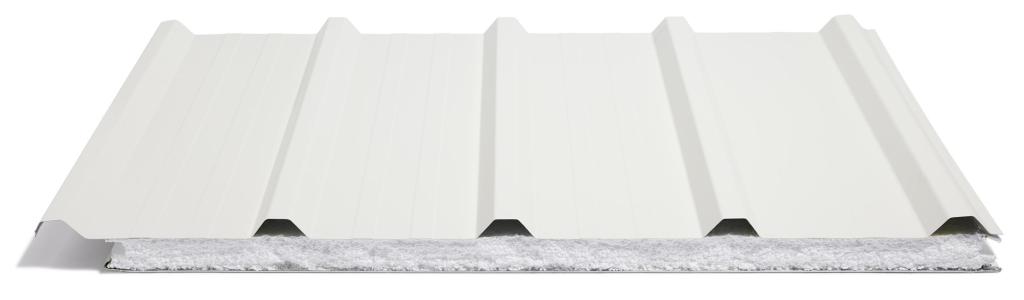
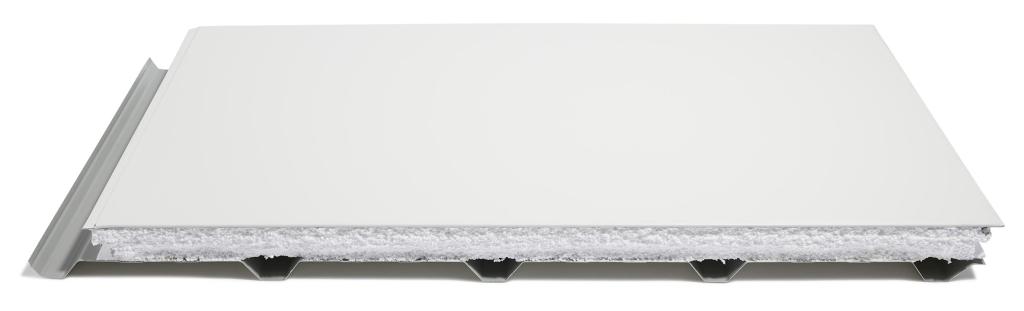
Insulated roofing panels are composite building products that combine an external weatherproof steel skin, insulating foam core, and internal ceiling lining into a single structural unit. Unlike traditional roofing systems that require separate roof sheeting, insulation batts, and ceiling linings, insulated panels provide a complete roof and ceiling solution in one product.
Modern insulated panels typically feature high-quality steel skins with protective coatings like UniCote® or Zincalume, polyurethane or polystyrene foam cores for thermal insulation, and finished ceiling surfaces that eliminate the need for additional lining materials.
Proudly Australian
15-year Warranty
Superior Strength
Superior Spans
Saves on materials and labour costs
BAL40 Rated
Independently lab-tested and certified as BAL-40 compliant.
Improved Efficiency
All panels are custom made to order to suit your project
High Thermal Rating
Increases comfort levels, plus reduces the heating and cooling requirements
Range of Colours
20 top-skin colours available
Thermal Performance Benefits
The primary advantage of insulated roofing panels is their exceptional thermal performance. The continuous insulation core provides superior R-values compared to traditional batt insulation systems, significantly reducing radiant heat transfer and improving year-round comfort in outdoor living spaces and covered areas.
Insulated panels eliminate thermal bridging that occurs in conventional roofing systems where structural members penetrate the insulation layer.
This continuous insulation barrier delivers more consistent thermal performance across the entire roof surface, reducing energy consumption and improving comfort levels.
For Australian climates, this thermal efficiency is particularly valuable in inland regions experiencing extreme heat, where insulated panels can dramatically reduce heat gain in covered outdoor areas and patios. The reduction in radiant heat transfer makes outdoor spaces more comfortable during summer months whilst maintaining warmth during cooler periods.
Acoustic Properties
Beyond thermal performance, insulated roofing panels offer excellent noise absorption properties. The foam core dampens sound transmission, making these panels ideal for entertaining areas, alfresco dining spaces, and outdoor living rooms where noise reduction enhances the user experience.
The acoustic benefits are particularly noticeable during rain events. Whilst single skin metal roofing can amplify rain noise, insulated panels significantly reduce sound transmission, creating quieter, more comfortable spaces even during heavy rainfall. This acoustic performance is a key selling point for residential patio applications.
Structural Spanning Capabilities
Insulated roofing panels are engineered for superior spanning capabilities, often achieving spans up to 4.7 metres or more depending on panel thickness, wind region, and load requirements. These extended spans reduce or eliminate the need for intermediate structural support, lowering material costs and simplifying structural design.
The self-supporting nature of insulated panels means fewer rafters, purlins, or beams are required compared to traditional roofing systems. This structural efficiency translates to faster installation times, reduced labour costs, and cleaner aesthetic outcomes with no visible structural elements beneath the ceiling.
Panel thickness options typically range from 50mm to 200mm, with thicker panels offering greater spanning capacity and enhanced thermal performance. Specifying the appropriate thickness for each project depends on required spans, wind loads, and thermal performance targets.
Installation Efficiency
One of the most significant advantages of insulated roofing panels for installers is the dramatic reduction in installation time. As a complete roof and ceiling system, insulated panels eliminate multiple trades and installation steps required in traditional construction methods.
Traditional patio roofing requires installation of structural framing, roof sheeting, insulation batts, and ceiling linings, involving multiple trades and sequential work stages. Insulated panels consolidate this into a single installation process, reducing labour hours and project timelines significantly.
Most insulated panel systems feature self-mating interlocking joints that create weathertight seals without requiring additional sealants or complex flashing details. Panels are manufactured to exact lengths for each project, arriving on site ready for installation with minimal cutting or waste. Modern insulated panels also incorporate integrated service channels that accommodate electrical wiring for fans, lighting, and other services without compromising the insulation or structural integrity of the panel. This design feature further streamlines installation and reduces coordination requirements between trades.
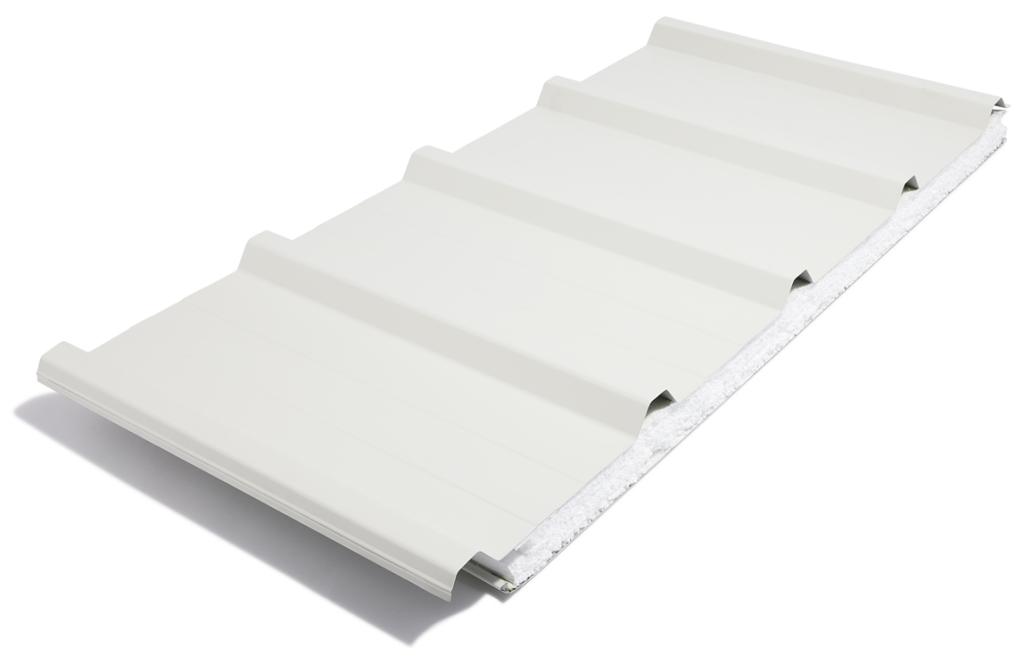
Trimlink profile
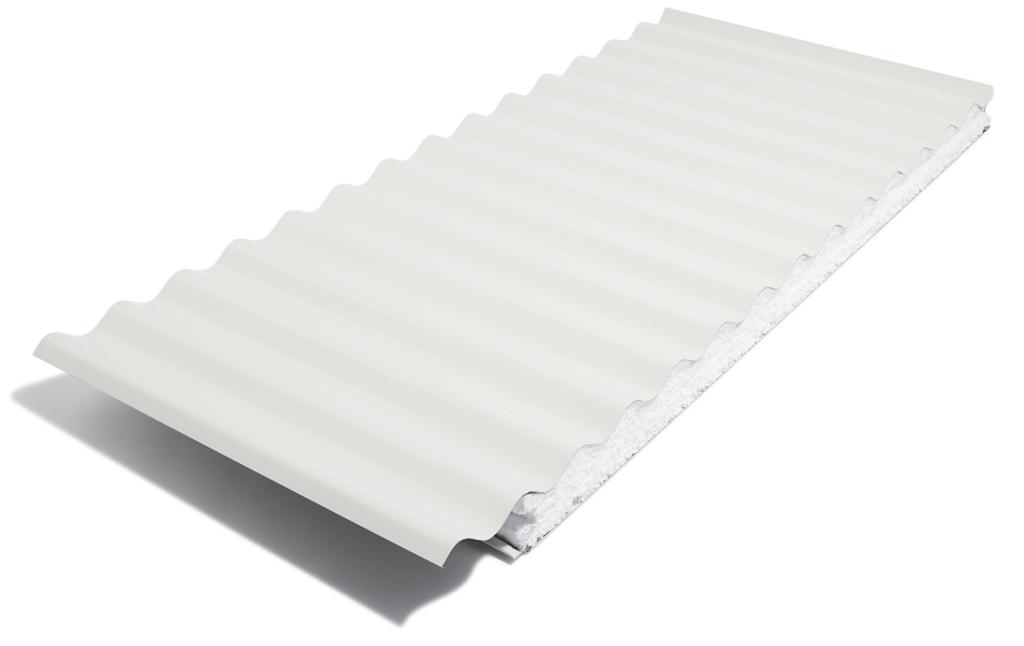
Corrugated profile
Profile Options and Aesthetic Considerations
Insulated roofing panels are available in multiple profile options to suit different architectural styles and design preferences. Common profiles include corrugated designs that complement traditional Australian architecture and flat or low-profile options like Trimlink that suit contemporary designs.
The ceiling side of insulated panels provides a clean, finished appearance without exposed rafters, battens, or structural elements. This seamless ceiling finish is a significant aesthetic advantage for patio and outdoor living applications where appearance is important to homeowners.
Colour options for both the roof surface and ceiling are extensive, ranging from classic whites and creams to contemporary greys and even timber grain finishes. This colour flexibility allows specification of products that complement existing home architecture and meet client aesthetic preferences.
Fire Performance and Compliance
For bushfire-prone areas, fire performance is critical. Quality insulated roofing panels are independently tested and certified as non-combustible, providing compliant solutions for Flame Zone (FZ) regions under Australian building standards.
Our insulated panels have undergone independent laboratory testing and meet the requirements for BAL-40 (Bushfire Attack Level 40) rating, making them compliant for construction in bushfire-prone areas. This independent testing sets Apollo Roofing Solutions apart as a market leader in the industry. We’re the only manufacturer to have our insulated panels independently verified to this standard, providing builders and installers with genuine confidence and compliance certainty.
This non-combustible certification makes insulated panels suitable for applications in bushfire attack level (BAL) rated areas where building material selection is restricted. The steel skins and appropriate foam core materials meet stringent fire performance requirements whilst maintaining thermal and structural properties.
Wind Performance and Regional Considerations
Insulated roofing panels undergo rigorous testing and certification for wind performance in both cyclonic and non-cyclonic regions. This independent testing ensures panels meet structural requirements for all Australian wind classifications.
For North Queensland and other cyclonic regions, panels are engineered and tested to withstand extreme wind events. Wind performance varies based on panel thickness, span, and the number of sides open on the structure, with detailed span tables available to guide specification for each wind region classification.
Proper specification requires careful consideration of site-specific wind loads, structural configuration, and local building requirements. Working with manufacturers who provide comprehensive engineering documentation and technical support ensures compliant, safe installations.
Coastal and Marine Applications
Coastal environments present unique challenges for roofing materials due to salt spray, high humidity, and corrosive conditions. For waterside patio and outdoor living applications, specifying insulated panels manufactured with marine-grade steel coatings is essential.
UniCote® Coastal steel features metallic coatings 30% thicker than standard products and advanced paint technology specifically engineered for harsh coastal environments. This enhanced corrosion resistance protects both the exposed roof surface and unwashed areas like panel undersides where salt accumulation can accelerate deterioration.
Site-specific warranties for coastal applications typically vary based on distance from water and environmental exposure. Warranty pre-approval processes allow verification of coverage before committing to product specification, providing certainty for coastal projects.
Maintenance and Longevity
Insulated roofing panels are designed for minimal maintenance requirements. The durable steel skins with high-quality paint finishes resist fading, chalking, and peeling, maintaining aesthetic appeal over decades with minimal intervention.
Regular maintenance typically involves periodic cleaning to remove debris, leaves, and surface dirt. For coastal installations, more frequent washing may be recommended to remove salt deposits and maintain warranty coverage. Comprehensive maintenance plans provided by manufacturers outline specific requirements for different environmental conditions.
Quality insulated panels backed by 15-year warranties demonstrate manufacturer confidence in long-term performance. These warranties typically cover both material defects and paint finish performance, providing peace of mind for installers and end users.
Cost Considerations and Value Proposition
Whilst insulated roofing panels typically have higher upfront material costs compared to single skin roofing, the total installed cost is often competitive when considering reduced labour requirements, eliminated ceiling materials, and simplified structural needs.
The value proposition includes faster installation reducing labour costs, eliminated ceiling lining materials and installation, reduced structural framing requirements due to superior spanning, improved thermal performance reducing cooling costs, and enhanced acoustic comfort improving user experience.
For projects where thermal performance, acoustic control, and aesthetic quality are priorities, insulated panels deliver superior value despite higher material costs. The long-term durability and minimal maintenance requirements further enhance the lifecycle value proposition.
Applications Beyond Patios
Whilst commonly specified for residential patios and outdoor living areas, insulated roofing panels suit diverse applications including commercial verandas and covered walkways, carports and vehicle shelters, poolside cabanas and outdoor kitchens, entertainment areas and function spaces, and industrial canopies and covered work areas.
The versatility of insulated panels makes them suitable for any application requiring weatherproof coverage with thermal and acoustic control. The clean finished appearance suits both residential and commercial contexts where aesthetics matter.
Specification Considerations
When specifying insulated roofing panels, consider panel thickness appropriate for required spans and loads, steel coating suitable for environmental exposure, profile style matching architectural design intent, colour selection for roof and ceiling surfaces, wind rating compliance for site location, fire performance requirements for bushfire zones, and warranty coverage for project conditions.
Working closely with manufacturers during the specification process ensures appropriate product selection and compliance with all relevant building standards and performance requirements.
Conclusion
Insulated roofing panels represent a high-performance solution for Australian roofing applications, combining exceptional thermal and acoustic properties with structural efficiency and installation advantages. For roofing professionals, understanding the benefits, applications, and specification considerations of insulated panel systems enables delivery of superior outcomes for clients whilst improving project efficiency and profitability.
As Australian building standards continue to emphasise thermal performance and bushfire safety, insulated roofing panels are increasingly specified across residential and commercial projects. Familiarity with these products positions roofing professionals to meet evolving market demands and client expectations.